
As cannabis continues to become more accepted and accessible, many enthusiasts find themselves weighing different consumption methods to find what works best for their lifestyle. Two classic options that have stood the test of time are bongs and pipes.
Bong vs Pipe: Which Should You Choose?
At Citi Roots, our Princeton and Plainsboro customers frequently ask us about the differences between these popular smoking devices and which might better suit their needs. This comprehensive guide breaks down everything you need to know about bongs and pipes to help you make an informed decision.
What is a Pipe?
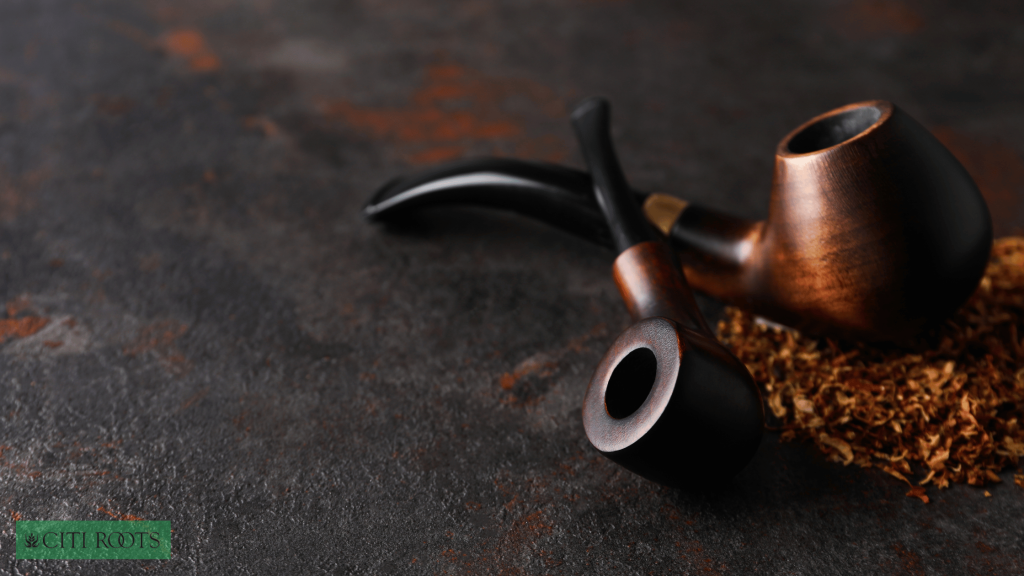
A pipe is a handheld smoking device that features a bowl (where cannabis is placed), a chamber (where smoke travels), and a mouthpiece (where you inhale). Pipes represent one of the oldest and most straightforward methods for smoking cannabis.
Types of Pipes:
- Spoon Pipes: The most common variety, shaped like a spoon with a bowl on one end
- Chillums: Straight, conical pipes that offer a more direct smoking experience
- Steamrollers: Pipes with open ends that create a more intense hit
- One-hitters: Small, discreet pipes designed for single use
Pipes are crafted from various materials, each offering unique benefits and aesthetic appeal. Common materials include glass, wood, metal, silicone, and ceramic. Glass pipes remain particularly popular due to their neutral effect on flavor and ease of cleaning.
The history of pipes dates back thousands of years, with evidence of their use across numerous ancient civilizations. The modern cannabis pipe has evolved significantly from these historical versions but maintains the same fundamental principle: a simple tool for smoking dried plant material.
What is a Bong?
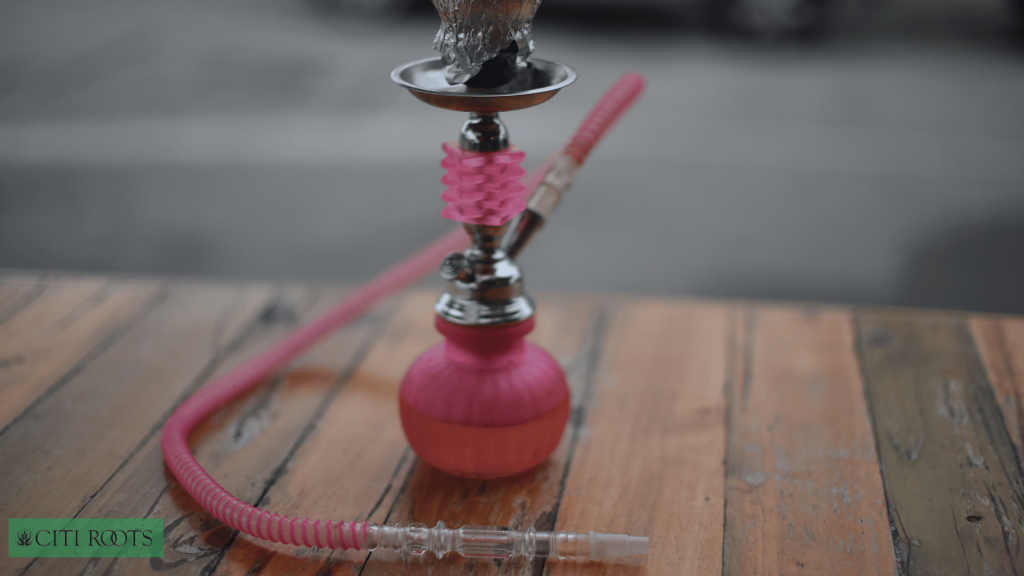
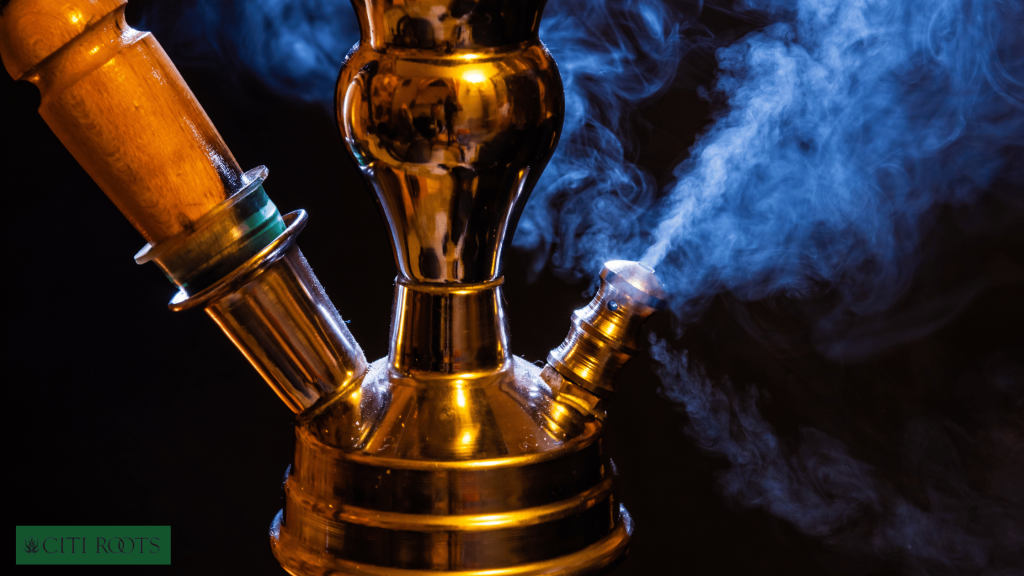
A bong (also called a water pipe) incorporates water filtration into the smoking process. When you inhale through a bong, smoke passes through water before reaching your lungs, which cools the smoke and filters out some particulates.
Common Bong Varieties:
- Beaker Bongs: Feature a wide base for stability and substantial water capacity
- Straight Tube Bongs: Offer a direct path for smoke with less drag
- Percolator Bongs: Contain additional water chambers that further filter and cool smoke
- Recycler Bongs: Recirculate water and smoke for an especially smooth experience
Like pipes, bongs come in various materials, though glass dominates the market due to its neutral flavor profile and visual appeal. Other options include silicone, ceramic, and acrylic.
The earliest evidence of water pipes dates back to 16th century China, though similar devices existed in Africa and Central Asia before then. Today’s bongs have evolved considerably, incorporating complex filtration systems while maintaining the basic water-filtration principle.
Comparing the Smoking Experience
The fundamental difference between pipes and bongs lies in the smoking experience they deliver.
Flavor Profile
Pipes offer a more direct experience with the cannabis flavor profile. Without water filtration, you’ll taste more of the terpenes and cannabinoids present in your flower. This purity of flavor is why many connoisseurs prefer pipes for sampling new strains.
Bongs, by contrast, provide a somewhat filtered flavor experience. The water removes some compounds that contribute to taste, but many users find this trade-off worthwhile for the smoother hit. High-quality glass bongs with clean water minimize flavor loss while still providing filtration benefits.
Smoothness Factor
This is where bongs truly shine. The water filtration process significantly cools the smoke and removes some of the harsh compounds that can irritate your throat and lungs. For those with sensitive respiratory systems or who find dry hits uncomfortable, bongs offer a markedly smoother experience.
Pipes deliver smoke directly from the burning cannabis to your lungs with no filtration. This directness can result in hotter, harsher hits that may cause coughing, especially for beginners or those smoking stronger strains.
Impact and Effects
Many users report that bongs produce more substantial effects than pipes. This perception likely stems from the larger hits bongs facilitate rather than any intrinsic difference in how the cannabis is processed. When using a bong, you’re typically consuming more cannabis per hit than with a pipe.
Pipes allow for more measured, controlled consumption. The smaller bowl size and more moderate hits make it easier to gauge your intake and maintain your desired level of effects.
Convenience and Portability
Size and Storage
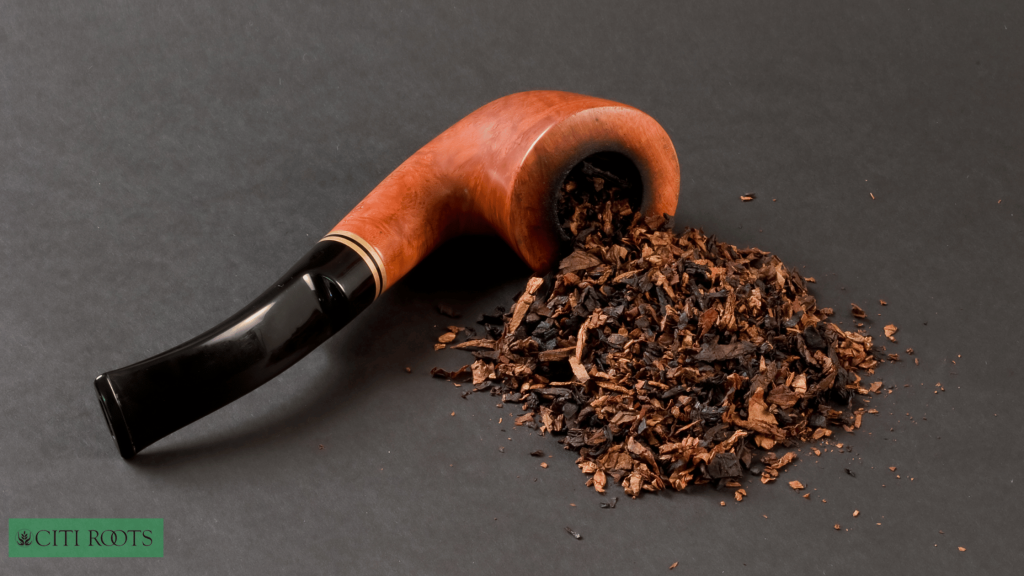
Pipes have a clear advantage in terms of portability. Most hand pipes easily fit in a pocket, small bag, or purse, making them ideal for on-the-go use. Their simple design, with few or no removable parts, means less worry about breakage during transport.
Bongs, with their larger size and often delicate construction, require more careful handling and storage. Even smaller bongs typically need a dedicated carrying case for safe transport, and many users consider them primarily home-use devices rather than portable options.
Ease of Use
For beginners, pipes offer a more straightforward introduction to smoking. The learning curve is minimal simply pack the bowl, light, and inhale. The process requires no additional components beyond a lighter or hemp wick.
Bongs involve more steps: filling with the correct amount of water, careful handling to avoid spills, and potentially managing additional features like ice catchers or percolators. However, once mastered, many users find the bong process equally manageable.
Discretion Factor
When discretion matters, pipes particularly smaller varieties like one-hitters are significantly more subtle than bongs. Not only are they easier to conceal, but they also produce less visible smoke and odor per use.
Bongs, with their distinctive shape, size, and bubbling sounds, offer little in the way of discretion. They’re best suited for home use in private settings where privacy isn’t a concern.
Maintenance and Cleaning
Regular Cleaning Requirements
Both devices require regular cleaning for optimal performance and flavor, but the process differs substantially.
Pipe Cleaning Basics:
- Soak in isopropyl alcohol and salt solution
- Shake to dislodge residue
- Rinse thoroughly with warm water
- Allow to dry completely before use
Bong Cleaning Process:
- Disassemble all removable parts
- Soak each component in cleaning solution
- Use pipe cleaners or brushes for hard-to-reach areas
- Rinse thoroughly with warm water
- Allow all parts to dry completely before reassembly
Bongs generally require more frequent cleaning due to the combination of water and smoke residue, which can quickly lead to unpleasant odors and potential mold growth if neglected. The presence of water means bongs should ideally be cleaned after each day of use, while pipes can often go longer between cleanings.
Health Considerations
The water filtration in bongs does provide some health advantages by removing certain particulates and cooling the smoke before it reaches your lungs. Research suggests that water can filter out some carcinogens and irritants found in smoke, potentially reducing some respiratory risks.
However, it’s important to note that any smoke inhalation carries health risks. Neither method eliminates the potential respiratory impacts of combustion. For those particularly concerned about health aspects, vaporization or other non-combustion methods might be worth considering.
Regular cleaning of both devices is essential for health reasons. Buildup of residue can harbor bacteria and mold, potentially causing respiratory issues beyond those associated with smoking itself.
Cost Analysis
Initial Investment
Pipes typically represent a lower initial investment than bongs. Basic glass pipes start around $20-30, with more elaborate artistic pieces ranging up to several hundred dollars.
Bongs generally start at a higher price point, with basic models beginning around $50-60. More complex percolator bongs or artistic pieces can easily reach several hundred dollars.
Long-Term Value
Despite the higher initial cost, many users find bongs offer good long-term value, particularly for regular consumers. The smoother smoking experience may make each session more enjoyable, and higher-quality glass bongs can last for many years with proper care.
Pipes offer excellent value for occasional users or those who prioritize portability and simplicity over filtration benefits. Their durability (especially for wooden or metal pipes) can make them lifetime purchases with proper maintenance.
Who Should Choose a Pipe?
Pipes are ideal for:
- Cannabis consumers who value portability and discretion
- Those who enjoy the full flavor profile of their flower
- Beginners looking for a simple introduction to smoking
- People who smoke occasionally rather than daily
- Anyone on a limited budget
- Those who value simplicity and ease of use
Who Should Choose a Bong?
Bongs are better suited for:
- Regular consumers who primarily smoke at home
- Those with sensitive throats or lungs who benefit from water filtration
- Experienced users who appreciate the ritual of bong smoking
- People who enjoy taking larger hits
- Those willing to invest in a device that may provide a smoother experience
- Consumers who don’t mind the additional cleaning requirements
Final Thoughts: Making Your Choice
When deciding between a bong and a pipe, consider your personal preferences, consumption habits, and priorities. Many experienced cannabis enthusiasts eventually own both, using pipes for on-the-go situations and bongs for home sessions.
At Citi Roots, our knowledgeable budtenders are always available to help you select the perfect smoking device for your needs. As a veteran-owned dispensary serving Princeton and Plainsboro, we carry a carefully curated selection of quality pipes, bongs, and other accessories to complement our premium cannabis products.
Frequently Asked Questions
Q. 1 What’s the best starter pipe for a beginner?
A. For beginners, we recommend a medium-sized glass spoon pipe. They’re durable, easy to use, and provide a straightforward introduction to smoking without a significant investment.
Q. 2 How often should I clean my bong?
A. Ideally, change your bong water daily and perform a deep clean weekly if you’re a regular user. This prevents buildup of residue and bacteria that can affect both the flavor of your smoke and potentially your health.
Q. 3 Can I use a bong without water?
A. While technically possible, using a bong without water defeats its primary purpose. The water filtration is what makes a bong unique, offering cooler, smoother hits than dry pipes.
Q. 4 Are there significant health benefits to using a bong over a pipe?
A. Water filtration does remove some particulates and cool the smoke, which may reduce some irritation. However, combustion of any plant material still produces potential carcinogens, so neither method eliminates health risks entirely.
Q. 5What accessories should I consider for my pipe or bong?
A. For pipes, a quality grinder and pipe cleaners are essential. Bong users should consider screens, a dedicated cleaning kit, replacement bowls, and perhaps an ash catcher to keep your main piece cleaner longer.